What happened
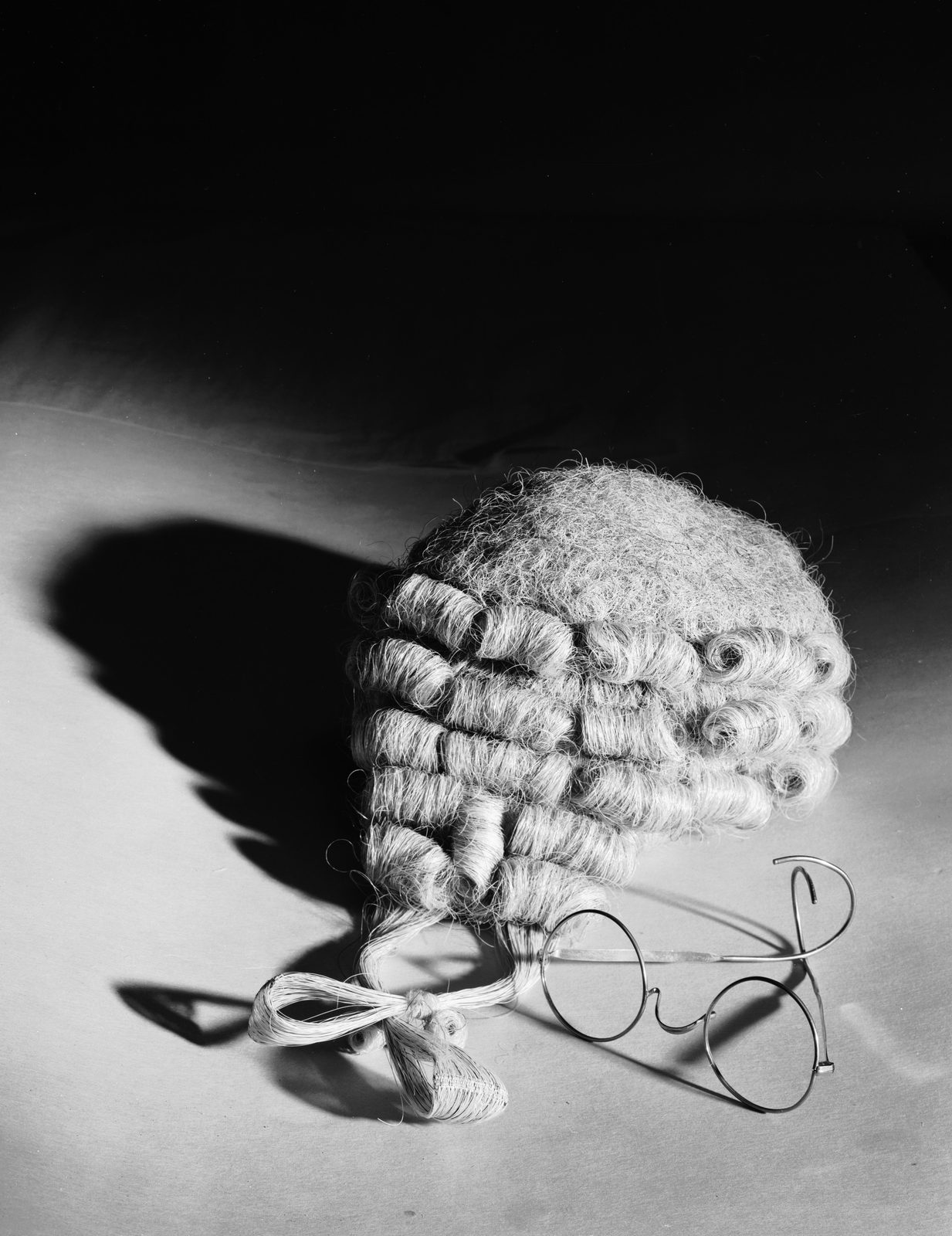
It was reported that in August 2025, a senior Melbourne barrister appeared in the Supreme Court of Victoria defending a teenager accused of murder. The barrister was a King’s Counsel, one of the most senior ranks in the Australian legal profession, and the case was being heard by a judge sitting alone.
The defence had submitted written arguments supported by references to previous court decisions. This is routine in legal proceedings. Lawyers cite earlier judgments to explain how the law should apply to the case before the court, and judges rely on those authorities when considering the arguments.
But when the judge’s associates tried to locate the cases cited in the defence submissions, they could not find them and asked the defence for copies. The defence later acknowledged that the citations did not exist. The submissions also included quotations attributed to a speech to the Victorian Parliament, and those quotations turned out to be fictitious. The same submissions had been sent to the prosecution, which did not check them either.
The errors caused a 24-hour delay in a case the judge had hoped to finish that day. The barrister apologised to Justice Elliott on behalf of the defence team and took full responsibility for the filings. The defence said it had checked the first citations, found them accurate and wrongly assumed the rest were correct.
Justice Elliott described the events as unsatisfactory and said the court must be able to rely on the accuracy of submissions made by counsel. He said the use of AI was not acceptable unless its output was independently and thoroughly verified, and noted that the Supreme Court had issued guidelines on AI for lawyers the year before. The following day, he found the accused not guilty of murder because of mental impairment.
The incident attracted national attention because it involved a highly experienced barrister working on a serious criminal matter. It was another example of AI-generated material reaching a courtroom without the verification that legal practitioners are expected to undertake, but this time the mistake occurred at the senior end of the profession.
The important point was not that a lawyer had used AI. It was that material presented to a court as legal authority had not been checked against the original sources. The court was left trying to find judgments and parliamentary statements that either did not exist as cited or did not say what the submissions claimed.
What an auditable version would have shown
The public reporting established that AI had been used to help prepare the submissions and that the defence had checked only some of the citations. It did not provide a complete account of which tool was used, who entered the requests, how the material moved into the final document or what checks were performed during preparation.
An auditable research process could have answered those questions. It would have preserved the AI-generated material, identified the tool used and recorded whether each proposed authority had been checked against an original judgment or other reliable source before being included in the submissions.
That distinction matters because an invented case can look remarkably convincing. It may have a plausible name, a familiar court abbreviation and a summary written in the language of legal reasoning. A fabricated parliamentary quotation can be equally persuasive when presented alongside genuine legislative material. The formatting gives the appearance of authority, but it does not establish that the source exists.
A CitationVerifier could have checked the case references against recognised legal databases and flagged those that could not be located. The parliamentary quotations would have required a separate check against the official parliamentary record. Both types of source needed independent confirmation before being used to support arguments in court.
A ConductRecord could have preserved the results of those checks, including which references had been verified, which remained unresolved and who approved the final document.
The available reporting does not establish what internal records the barrister’s chambers retained. The governance issue is that the final submissions reached the court containing material that had not been adequately checked, leaving the errors to be discovered during the proceedings.
Where the gap was
The most revealing part of this incident is the experience of the practitioner involved. A King’s Counsel is expected to have extensive knowledge of legal procedure and a clear understanding of the duty owed to the court. Yet professional experience did not prevent unverified AI-generated material from finding its way into written submissions.
Headlights identifies automation bias in the reliance placed on the AI-assisted research. Material generated through the tool was accepted into the legal argument without the necessary independent checks. The fact that it looked like genuine legal authority appears to have allowed it to pass through the preparation process, even though the references were false.
The incident also demonstrates a rules-behaviour gap. Barristers have a longstanding duty not to mislead the court and to ensure that the authorities they rely upon are accurately represented. Those obligations did not change when AI became available. What changed was the ease with which apparently credible legal material could be produced without consulting a genuine judgment.
There is a human problem beneath this. When a document contains familiar legal language, case citations and quotations, it can create the impression that the underlying research has already been done. The more polished the material looks, the easier it may be to overlook the question of where it came from.
This is particularly important when several people contribute to preparing submissions. Research may be conducted by one person, incorporated into a draft by another and ultimately presented by senior counsel. Unless responsibility for verification is explicit, each person may assume that someone else has already checked the references.
The reporting does not establish exactly how responsibilities were divided within the defence team. It does show that the prosecution received the same submissions and did not check them, so the errors passed more than one set of lawyers before the judge’s associates found them. Nevertheless, the incident illustrates why the final practitioner responsible for a document cannot rely on its professional appearance as evidence of accuracy.
It also shows that the risk extends beyond fabricated case names. The parliamentary quotation was a different kind of invented authority, one that could misrepresent legislative history rather than judicial precedent. A process designed only to check whether case citations exist would not necessarily have caught it.
These behavioural classifications are Headlights’ analysis of the reported conduct, not findings made by the court or regulator.
What governance should have looked like
The safeguard was straightforward in principle. Every legal authority and quotation included in the submissions needed to be checked against its original source before the document was filed.
For case law, that means locating the judgment, confirming the citation and reading the passages relied upon. For parliamentary material, it means checking the official transcript or other authoritative record. Finding a real source is only the beginning. The practitioner must also establish that it says what the submission claims it says.
A CitationVerifier could assist by identifying references that cannot be matched to genuine court decisions. It should not be treated as a substitute for reading the judgments, because a real case can still be misquoted or used to support an argument that the court never accepted.
The chambers could also have required a documented verification step before submissions were approved. Any reference that could not be confirmed would need to be corrected, removed or investigated further. The document should not proceed simply because the citation looks plausible or because the research was produced by a specialised tool.
A ConductRecord could preserve which AI tools contributed to the research, what material was generated, which sources were checked and who approved the final submissions. This would provide a clearer account if questions arose later, while helping the practitioners involved demonstrate that they had taken reasonable steps to verify their work.
Disclosure of AI use should follow the rules applicable to the court and the particular type of material being filed. Disclosure alone, however, is not verification. Telling a judge that AI assisted with the research does not establish that the cases are real or that quotations are accurate.
The lesson from this incident is not that experienced lawyers should avoid AI altogether. It is that experience cannot compensate for a missing verification step. The barrister’s professional standing did not make the invented authorities genuine, and the apparent sophistication of the technology did not relieve counsel of responsibility for the material placed before the court.
Failure Pattern: a senior Victorian barrister submitted legal arguments containing AI-generated references that could not be verified, including non-existent cases and fictitious parliamentary quotations. The errors delayed the case by 24 hours and the barrister apologised to the court on behalf of the defence team.
Governance Principle: legal authorities and quotations produced or identified with AI assistance must be checked against original sources before they are presented to a court. Responsibility for that verification must remain clear, regardless of the practitioner’s seniority or the tools used.
The reference implementation of CitationVerifier and ConductRecord is open source. It lives at github.com/saffronandindia/headlights-oss, Apache 2.0 licensed and free to install. The repository is public now.
Sources
- Australian lawyer apologizes for AI-generated errors in murder case (AP)
- AI Incident Database Incident 1184