What happened
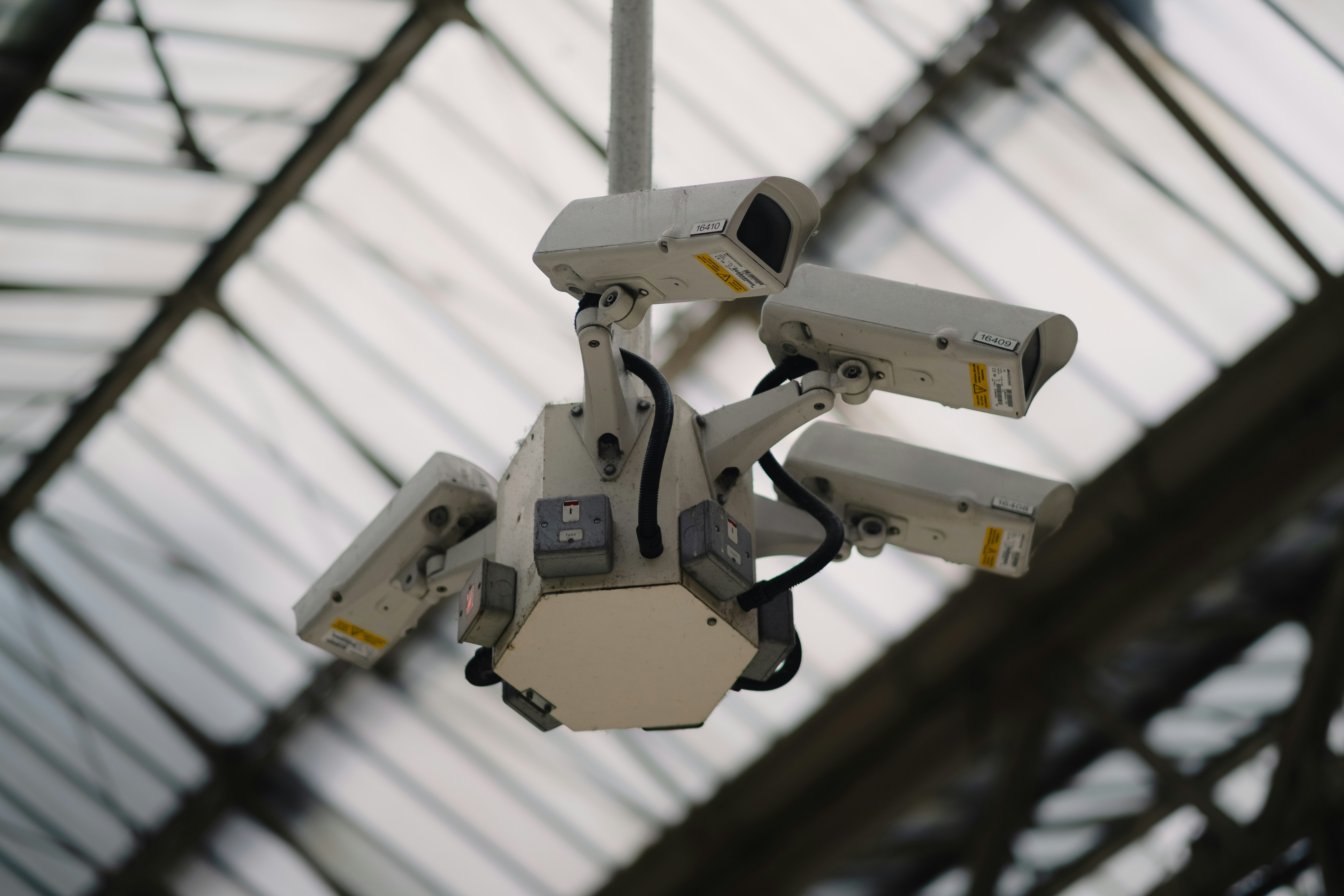
It was reported that Amazon’s “Just Walk Out” was sold as the checkout disappearing. A shopper entered a store, took what they wanted, and left; cameras and shelf sensors worked out what had been picked up, and the bill arrived afterwards. The technology grew out of Amazon Go, the cashierless convenience format Amazon opened to the public in 2018, and was later licensed to other retailers as a product in its own right. The pitch was autonomy: computer vision and sensor fusion doing the work a cashier used to do.
In April 2024 The Information reported that the autonomy was less complete than the marketing implied. Behind the cameras, the report said, sat a team of more than a thousand people in India who labelled and reviewed shopping data, and as recently as 2022 a large majority of transactions, reported as around seven in ten, still passed through human review before the receipt was finalised. The figure that travelled fastest, “1,000 workers,” compressed two different things: the size of the review team and the rate at which transactions needed checking. The precise version is less lurid and still pointed: the system leaned on a substantial, continuing human effort that its public framing did not foreground.
Amazon rejected the characterisation that people were watching shoppers from afar. It said its associates annotated training data, real and synthetic, to improve the underlying models, the same human-in-the-loop labelling common to machine-learning systems, and that they validated only “a small minority of shopping visits” where the computer vision could not determine someone’s purchases with confidence. Associates, Amazon said, did not watch live video to generate receipts; that was done automatically. The dispute, then, was not whether humans were involved, both sides agreed they were, but over scale and over what the marketing had led customers and commentators to believe. Reporting that most 2022 transactions needed review sat awkwardly beside “a small minority.”
Around the same time, Amazon removed Just Walk Out from its larger Amazon Fresh grocery stores in the United States, moving those shops to Dash Cart, a smart trolley that shows a running tally as items go in. Amazon said grocery shoppers wanted the live receipt and budgeting a cart screen gives. It kept selling Just Walk Out to third-party operators, and by late 2024 reported it running in more than a hundred and forty venues, stadiums, airports and the like, where the trip is short and the basket small. In January 2026 Amazon went further, announcing it would close all of its own Amazon Go and Amazon Fresh stores and lean instead on Whole Foods and grocery delivery, while continuing to license Just Walk Out to third parties, by then more than three hundred and sixty locations across five countries. The format Amazon ran in its own shops did not survive; the technology it sells to others did.
What an auditable version would have shown
The question the reporting raised was simple and the company could not answer it cleanly: of the transactions a Just Walk Out store completed, how many were resolved by the system alone, and how many were settled or corrected by a person. That is not a secret buried in the technology; it is a number the system generates every day. The reason the claim of autonomy was contestable is that nothing public distinguished the two.
An auditable version records, for each completed transaction, whether the receipt was produced automatically or after human validation, and at what rate validation fired over time. With that record, “autonomous checkout” is a measured proportion rather than a marketing adjective, and a shift from nearly automatic to mostly reviewed is visible as it happens rather than as a leak two years later. The same record answers the customer’s quieter question, which is who, and what, decided what they were charged.
Where the gap was
The failure here was not that humans helped; a maturing computer-vision system needs human labelling, and validating uncertain cases is responsible, not embarrassing. The failure was a gap between what the system was said to do and what the record would have shown it doing, with no record offered to close it. A capability described to the public as autonomous was, in a large share of cases and for a long stretch, assisted, and the assistance was not legible.
A ConductRecord is the control. A record that marks each action as automated or human-validated, and that can be aggregated into the rate at which each occurred, turns “Just Walk Out is autonomous” from a claim a customer must take on trust into a fact the company can show and an outsider can check. It does not make the technology more capable than it is. It makes the honest version of the capability claim, “computer vision resolves most baskets, people settle the rest, here is the split,” available instead of the inflated one.
What governance should have looked like
The pattern is worth naming because it recurs wherever AI is sold: a capability claim outruns the record of how the work is actually done, and absent that record the gap is found by a reporter rather than disclosed by the builder. The fix is not to hide the humans but to count them.
The reference implementation of ConductRecord is open source. It lives at github.com/saffronandindia/headlights-oss, Apache 2.0 licensed and free to install. The repository is public now.
Sources
- An update on Amazon’s plans for Just Walk Out and checkout-free technology (Amazon)
- Amazon’s cashier-less technology was supposed to revolutionize grocery shopping. It’s been a flop (CNN Business)
- Amazon removes ‘Just Walk Out’ tech from US Amazon Fresh stores (Retail Dive)
- Amazon makes big bet on selling cashierless tech to outside retailers (CNBC)