What happened
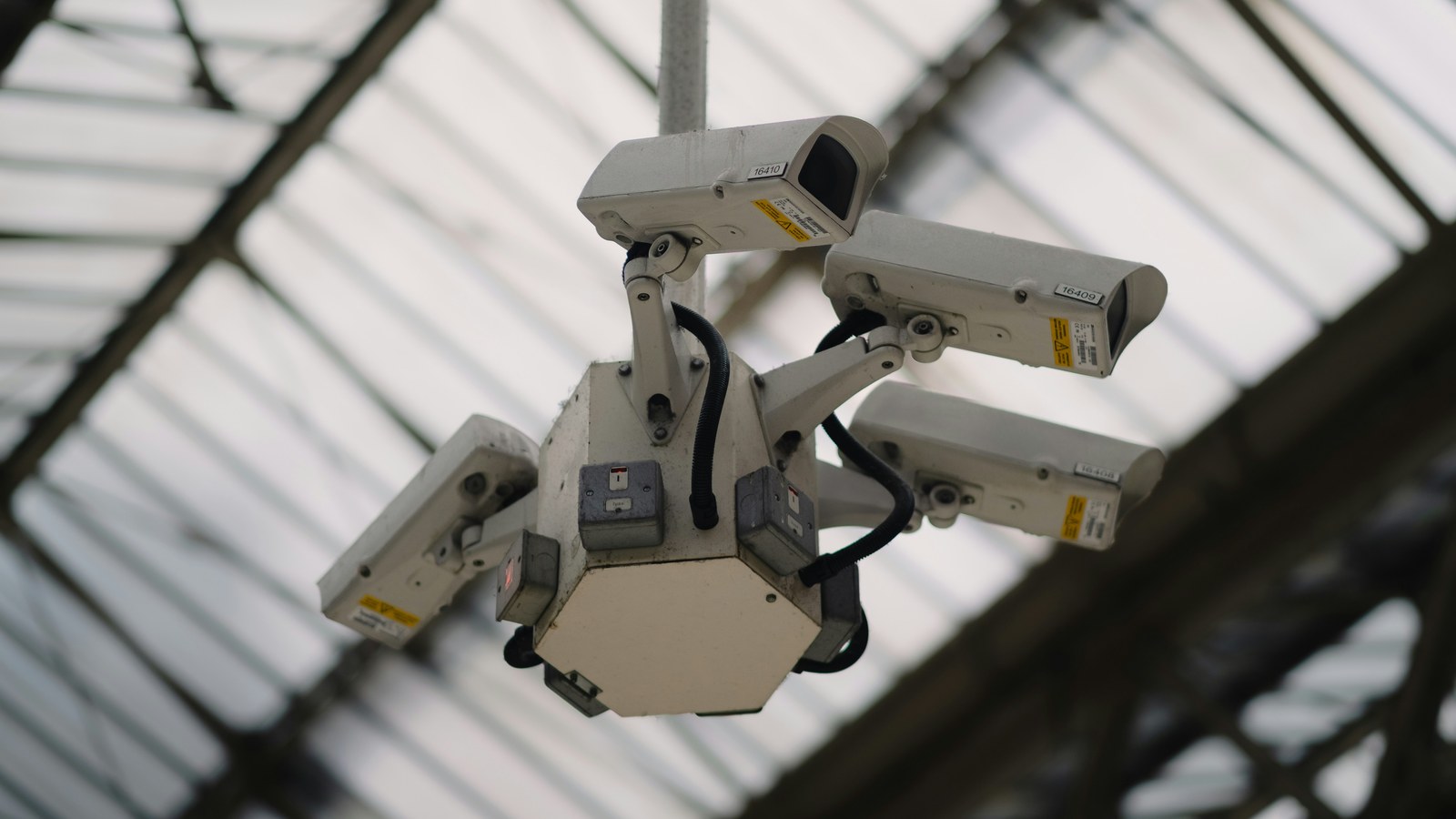
The Commissioner’s report says the City of Richmond, British Columbia, set up eight cameras at one intersection as a field test. According to the report, recording started on 24 February 2025, and the field test officially began on 17 March 2025.
The report says the City used licence plate recognition and person and vehicle detection, and that the City told the Commissioner it did not use facial recognition. According to the report, the cameras collected licence plates and images of drivers, passengers and pedestrians, along with vehicle and location information. Ordinary footage was deleted automatically after 48 hours.
The report records that the system’s sole purpose was to collect footage and disclose it to the RCMP, the police force serving Richmond, to help identify criminal suspects. The Commissioner opened an investigation on 7 May 2025.
What an auditable version would have shown
The Commissioner found that the City had no authority under the province’s Freedom of Information and Protection of Privacy Act to collect the personal information. The report said the City has no law enforcement mandate of its own and could not rely on the RCMP’s: “operating a camera system that the police might use is not how a municipality provides the RCMP with resources under the Police Act.” The Commissioner also found that the City had not established that collecting the information was necessary.
The report also found that people were not adequately told what was happening. Signs beside Granville Avenue were about 53 and 76 metres before the intersection, but did not say cameras were recording and collecting personal information, or explain the purpose or authority. The report said the signs also did not reach pedestrians or people arriving from the north or south.
An auditable record would make it easier to see what the system captured, how long it was kept and when footage was disclosed to police.
Where the gap was
The Commissioner recommended that the City immediately stop collecting personal information through the system, delete all recordings to date and disband the equipment. The report records that the City said it did not intend to comply. The Commissioner then issued Order F26-01, requiring the City to comply immediately.
A ConductRecord keeps what the system captured, when, and each time footage was disclosed.
An EgressGate is designed to check whether data leaving a system is going to a permitted destination before it leaves.
ConductRecord and EgressGate are Headlights designs.
What governance should have looked like
The City said on 15 January 2026 that it considered the programme lawful and was positioned to have its legality determined by the courts. According to the City, on 26 January 2026 Council passed a motion to bring proceedings in the Supreme Court of British Columbia to challenge the order and seek declarations that the programme was lawful. The sources reviewed do not establish the outcome, or whether the City has complied with the order, as of 26 September 2026.
Where a public body plans to use automated recognition on a public street, best practice would be to establish which law authorises the collection, and why it is necessary, before recording starts. Signs should tell people what is being collected, why and under what authority.
Failure Pattern: according to British Columbia’s Information and Privacy Commissioner, a city switched on licence plate recognition and person and vehicle detection over a public intersection to gather footage for police, without legal authority to collect the personal information it captured.
Governance Principle: a public body using automated recognition in a public place should be able to show, before recording begins, which law authorises the collection and why it is necessary.
The reference implementation of ConductRecord and EgressGate is open source. It lives at github.com/saffronandindia/headlights-oss, Apache 2.0 licensed and free to install. The repository is public now.
Sources
- Investigation Report 26-01: City of Richmond’s Public Safety Camera System Field Test (Office of the Information and Privacy Commissioner for British Columbia, January 2026)
- Order F26-01: City of Richmond (Office of the Information and Privacy Commissioner for British Columbia, 14 January 2026)
- City of Richmond Statement on Privacy Commissioner Ruling (City of Richmond, 15 January 2026, updated 29 January 2026)