What happened
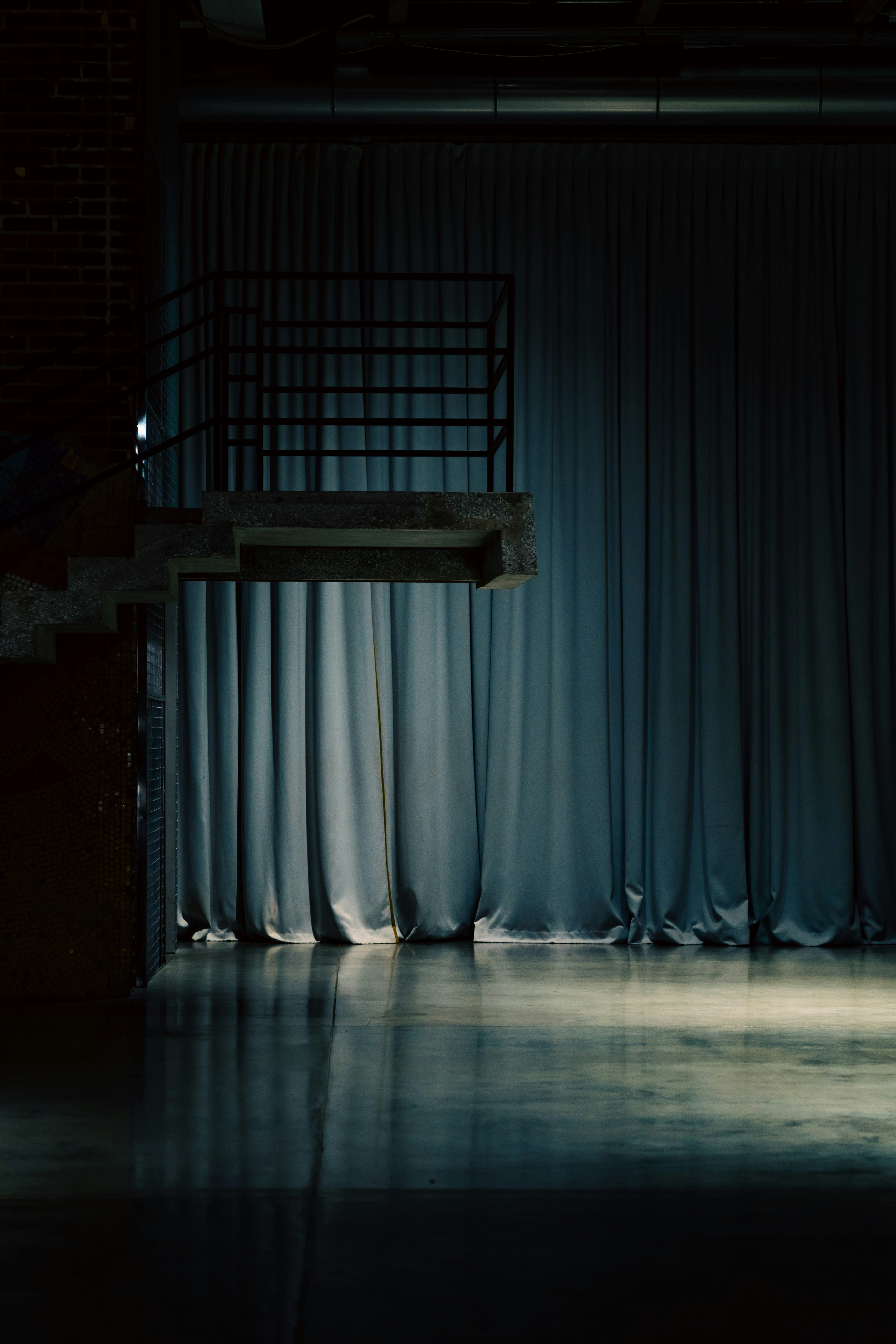
It was reported that in late February 2024 a company called House of Illuminati advertised an event in Glasgow named Willy’s Chocolate Experience, promising families a day of pure imagination in an immersive world inspired by Roald Dahl’s chocolate factory. According to reporting by NBC News, the promotional images used to sell it returned nothing on reverse image search and carried the hallmarks of AI generation, including nonsense words printed across them, and families paid up to about £35 a ticket on the strength of what those images showed. What visitors found on arrival was a thinly decorated industrial warehouse with a handful of props and a bouncy castle, with children handed small rations of sweets and half cups of lemonade in place of the chocolate the advertising had promised. Attendees told the BBC they had travelled from Aberdeen, Dundee, Fife and Newcastle, one attendee told NBC News that it was amateurish and nothing like what had been described, and the event was cut short, with Police Scotland confirming that officers attended after it was cancelled and that advice was given.
The generated material was not confined to the marketing. Paul Connell, cast as a character called Willy McDuff, said he had been handed about fifteen pages of AI-generated gibberish as a monologue and was told on the day to abandon it and improvise, and another performer said she had expected the venue to be worked on overnight and it was not. Billy Coull, the director of House of Illuminati, was reported to have apologised publicly, to have said the intention had been to create something genuinely special that did not work out, and to have promised full refunds to everyone who had bought a ticket, with the BBC reporting that he acknowledged AI had been used for much of the marketing. Time reported that about 850 refunds were issued. Glasgow City Council’s trading standards service received complaints, and the episode travelled far further as an internet story than the event itself ever could have.
What an auditable version would have shown
A photograph of a venue has to be taken somewhere. A generated image does not. It can show a room nobody has built, at a quality that reads as a photograph. An auditable version of this sale would hold the seller to a simple record: for each promotional image, whether it depicts something that exists, and for each specific promise made in the copy, what will actually be provided on the day. That record costs almost nothing to keep. Nothing in the reporting suggests anyone was asked for one.
Where the gap was
No one checked that the venue matched the pictures before the tickets went on sale. Making the pictures cost almost nothing. Building what they showed would have cost a great deal. A buyer looking at a screen had no way to tell which of the two they were looking at. A VerificationGate holds a claim to evidence before it is sold, so a picture of a chocolate river has to correspond to something the organiser can show they will actually deliver. A ConductRecord keeps a record of what was promised, when and to whom, so that when families arrive to an empty warehouse there is something to check rather than an argument about memory and screenshots. For many buyers the pictures were the only evidence they had, and nothing stood between those pictures and the sale.
What governance should have looked like
The control here is the ordinary one that has always applied to advertising: a seller should be able to substantiate what the material shows. Generation extends that to the pictures. House of Illuminati sold tickets on images of rooms it had not built, and the families who bought them had no way to tell. Someone should have had to answer for that before the tickets went on sale, rather than after about 850 refunds and officers attending a cancelled event.
Failure Pattern: an event was sold on generated images of rooms that had never been built, and nobody had to show the venue matched the pictures before the tickets went on sale.
Governance Principle: when marketing material is generated rather than photographed, someone should have to show that what is being sold actually exists, and there should be a record of what was promised against what was delivered.
The reference implementation of VerificationGate and ConductRecord is open source. It lives at github.com/saffronandindia/headlights-oss, Apache 2.0 licensed and free to install. The repository is public now.
Sources
- Willy Wonka experience: How did the viral sensation go so wrong? (BBC News)
- A Willy Wonka-inspired ‘chocolate experience’ has gone viral for all the wrong reasons (NBC News)
- How a Willy Wonka Event in the U.K. Ended in Calls to Police and Demands For Refunds (TIME)